6-Month Investment Banking & Equity Research Job Guarantee Program
- 100% Job Guarantee
- 6 Months Program
Real-World Finance Skills Training






NewAdmissions Now Open
Get trained by industry experts and land your job in Investment Banking, Equity Research
or Financial Modeling

Trusted by43,465+Students










































Designed to meet market demands and propel your career success
 ≈ New Launch ≈
India's First A.I. Focused Finance Program For Commerce
Graduates That Gets You Future Ready









An indicative pathway showing how graduates progress across finance sectors — from entry-level roles to senior leadership over 10–15 years.
Banks & NBFCs — CTC Progression (LPA)

Suhashi
Wealth Management, Anand Rathi
"Finsckool gave me the exact skills I needed to start my career in Wealth Management"

Yash Agarwal
Equity Research Analyst, Tata AIG
"Finsckool’s live projects and financial modeling training prepared me for real industry challenges. The interview preparation support played a key role in securing my placement."

Divyesh
Equity Research Analyst
"Finsckool’s live projects and financial modeling training prepared me for real industry challenges. The interview preparation support played a key role in securing my placement."

Anshu Goel
Financial Analyst, S&P Global
"Finsckool equipped me with the right skills and confidence to begin my career in Financial Analysis."

Vratika Gupta
Treasury Officer – Finance, iSend
"Finsckool gave me the practical finance skills I needed to begin my career as a Treasury Officer."
Suhashi
Wealth Management, Anand Rathi
"Finsckool gave me the exact skills I needed to start my career in Wealth Management"
Yash Agarwal
Equity Research Analyst, Tata AIG
"Finsckool’s live projects and financial modeling training prepared me for real industry challenges. The interview preparation support played a key role in securing my placement."
Divyesh
Equity Research Analyst
"Finsckool’s live projects and financial modeling training prepared me for real industry challenges. The interview preparation support played a key role in securing my placement."
A practical 2-day live workshop where you learn how modern finance professionals use AI to build reports, analyze companies, and prepare for high-growth finance roles.
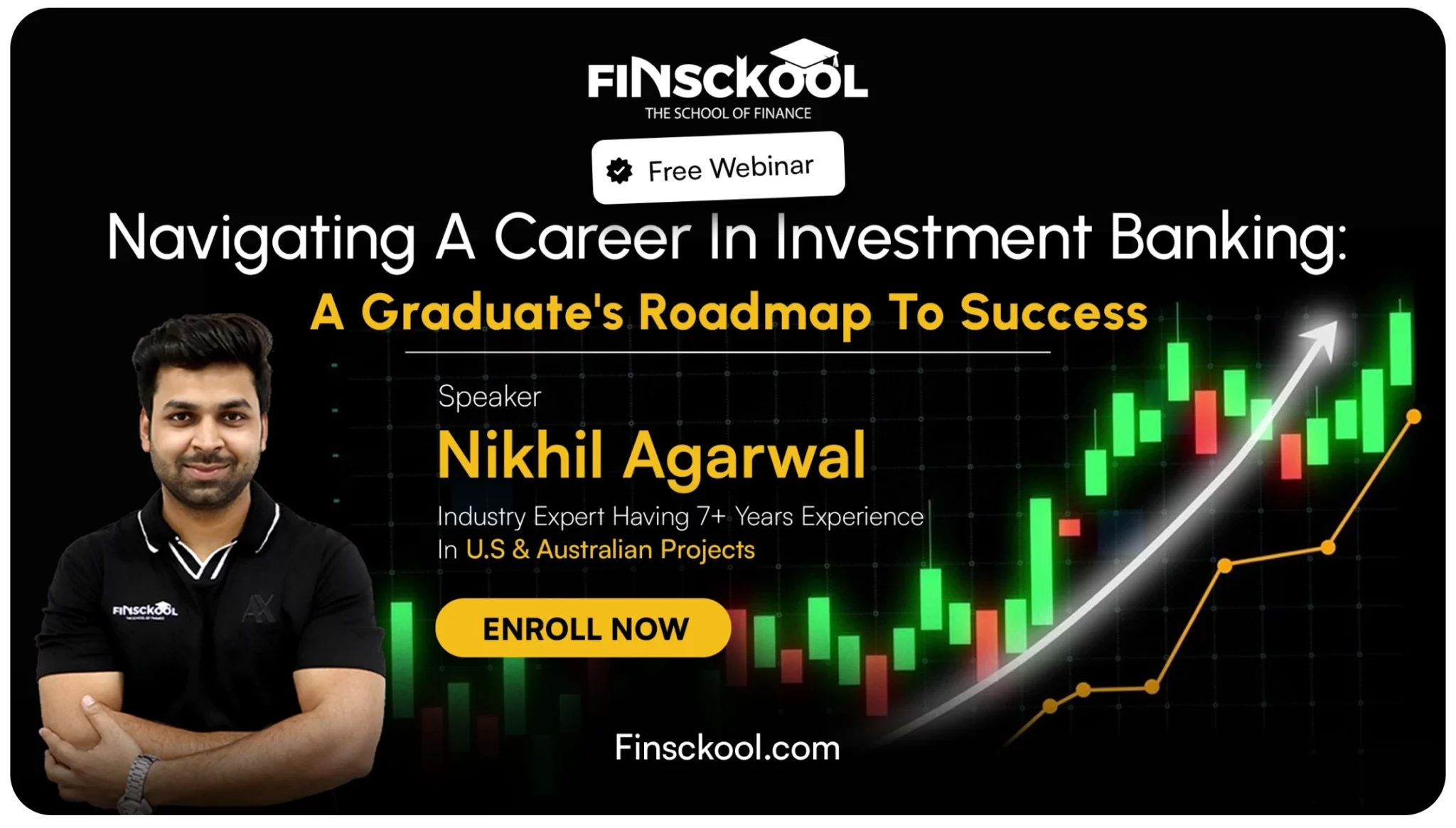
Learn from Nikhil Agarwal and his team, the minds behind a legacy in financial education, with U.S and Australian exposure and over 5000+ student success stories.
Trusted by 43,465+ Students who Attended Workshop
Join 2 Days Free Workshop On Investment Banking And Equity Research
Learn Industrial Case Studies By Also Leveraging A.I.
We collaborate with innovative financial technology platforms to connect classroom learning with practical market experience, advanced research tools, and industry-relevant financial skills.

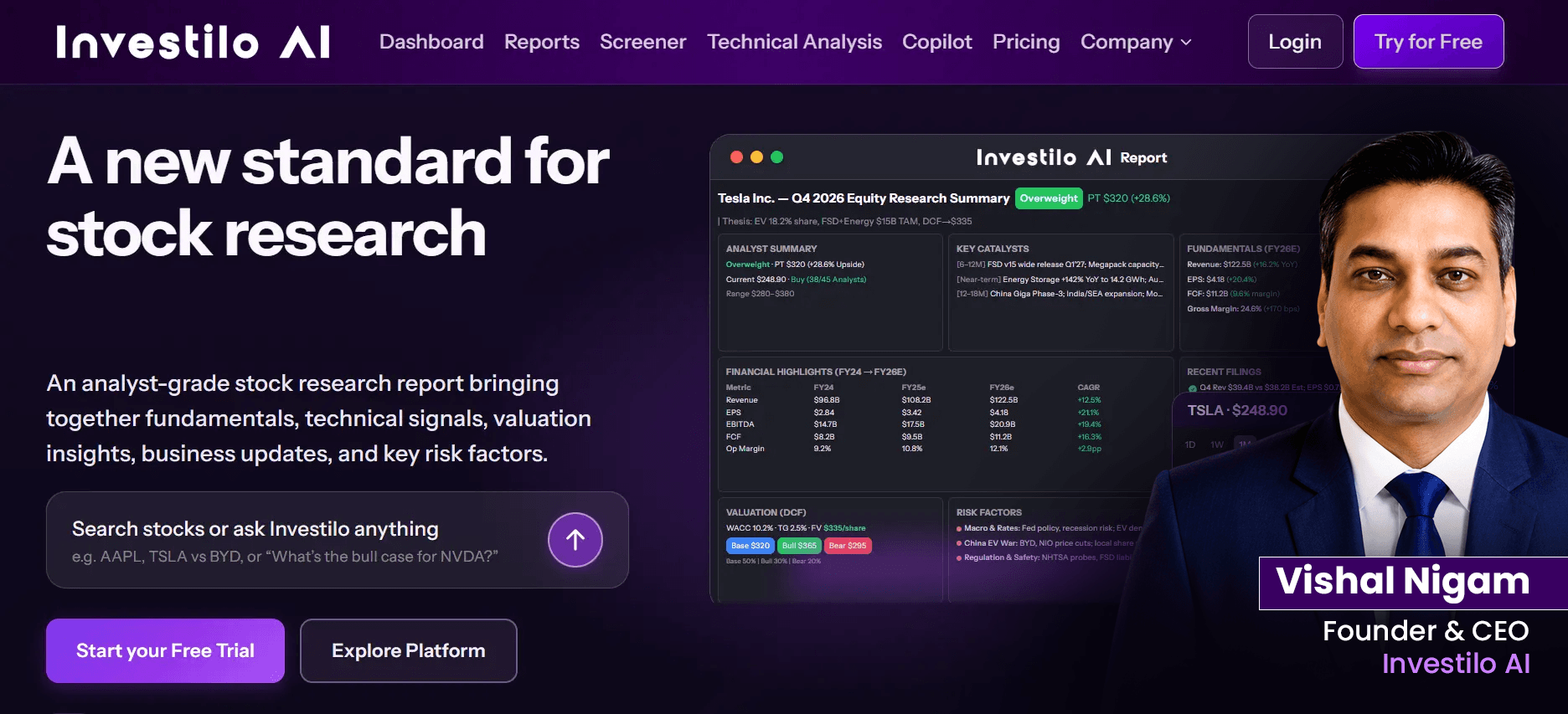
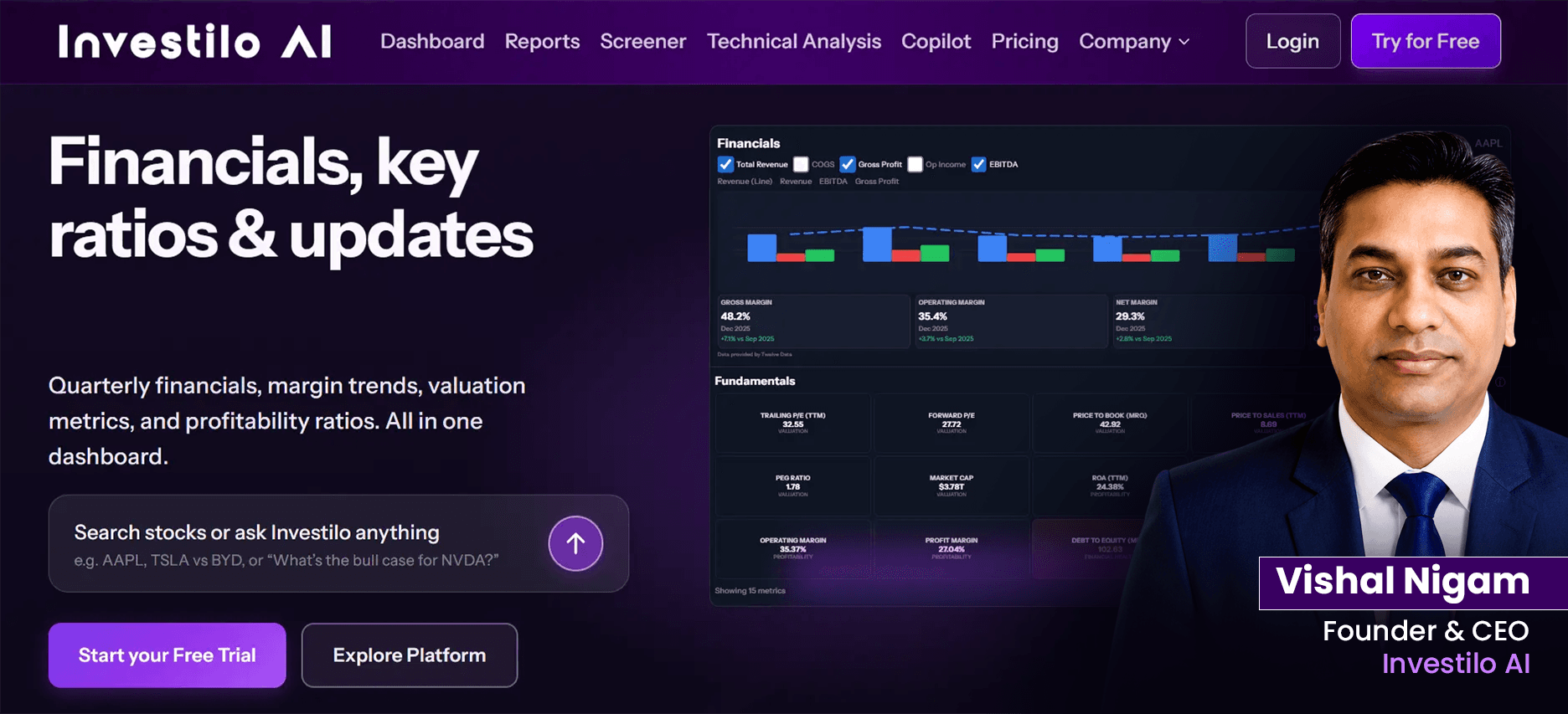
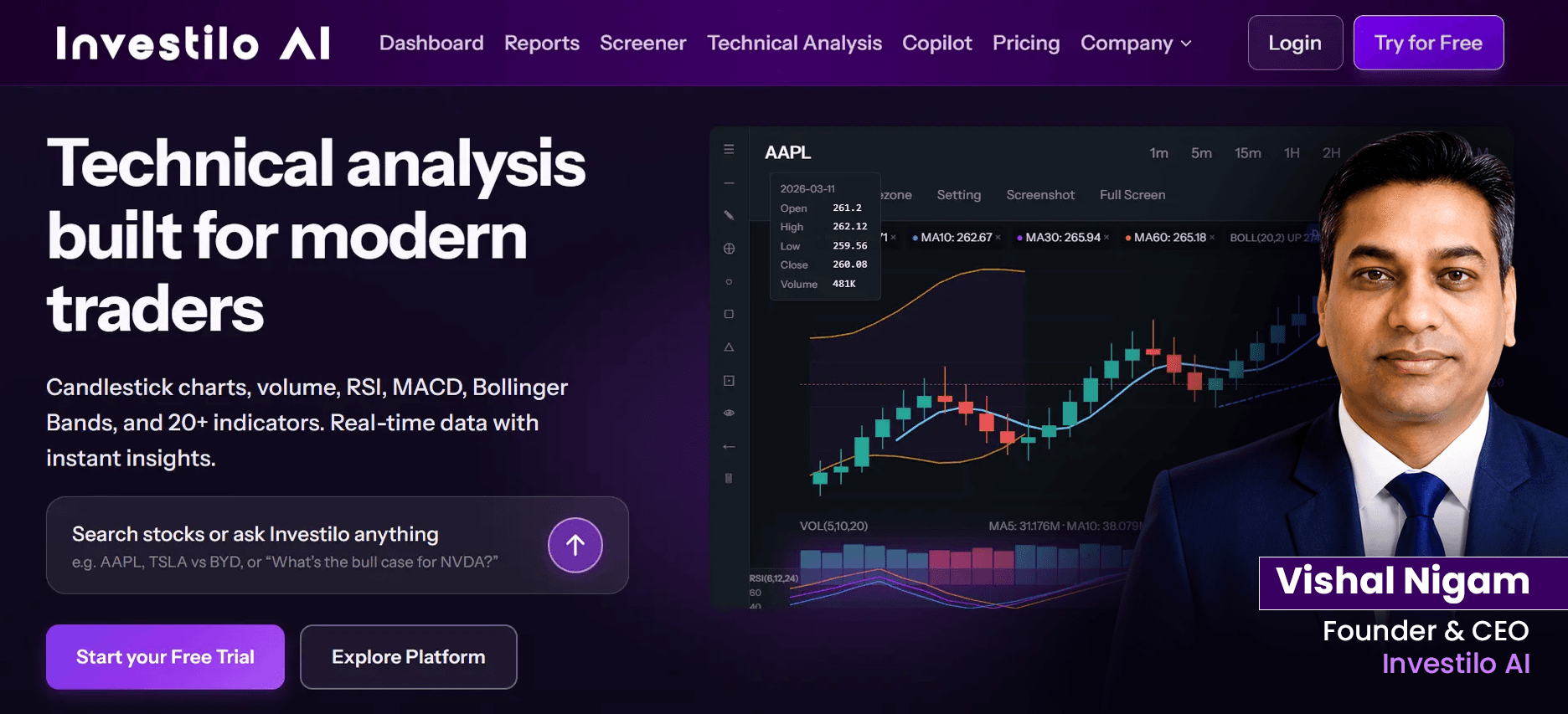
Investilo AI empowers finance learners with AI-driven equity research, financial analysis, valuation insights, and investment banking workflows, helping them develop practical skills and make informed financial decisions with greater confidence.
Vishal NigamFounder & CEO, Investilo AI
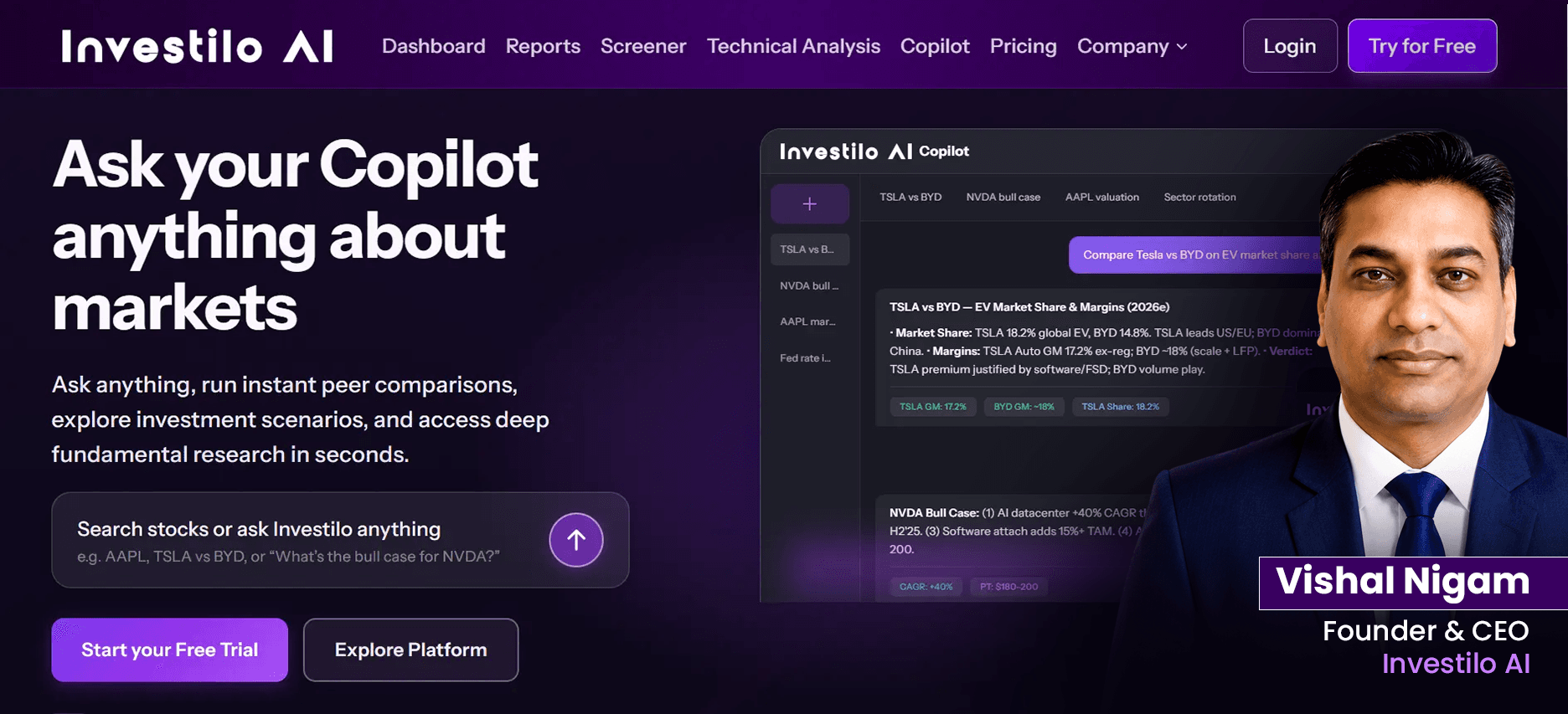
Use AI to research companies, analyze markets, generate insights, and understand business fundamentals faster.
Learn how to create complete stock research reports in minutes with structured summaries, cited insights, and analyst-style outputs.
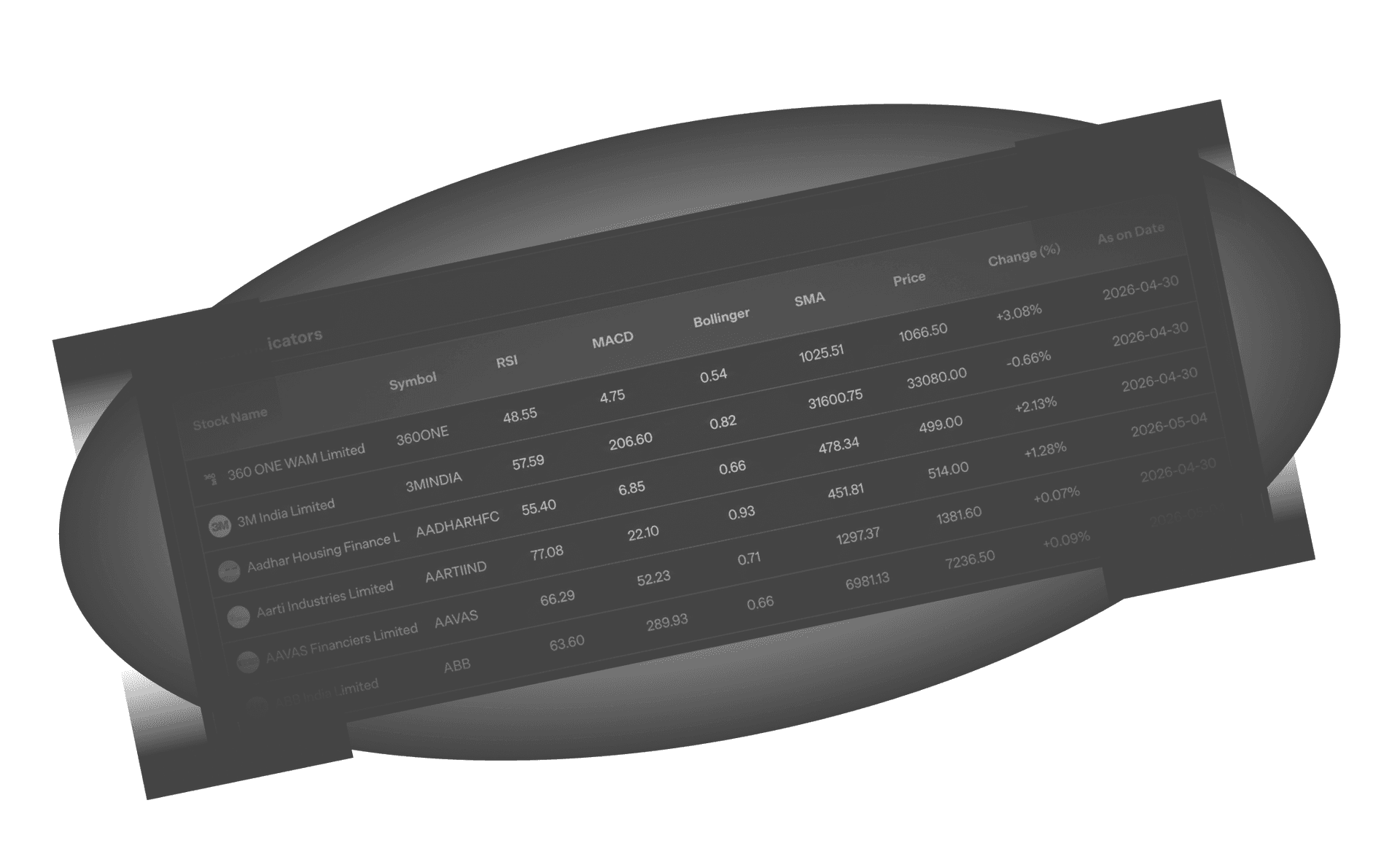
Get hands-on exposure to dashboards, analytics, technical analysis, market data, and research workflows built for finance teams.

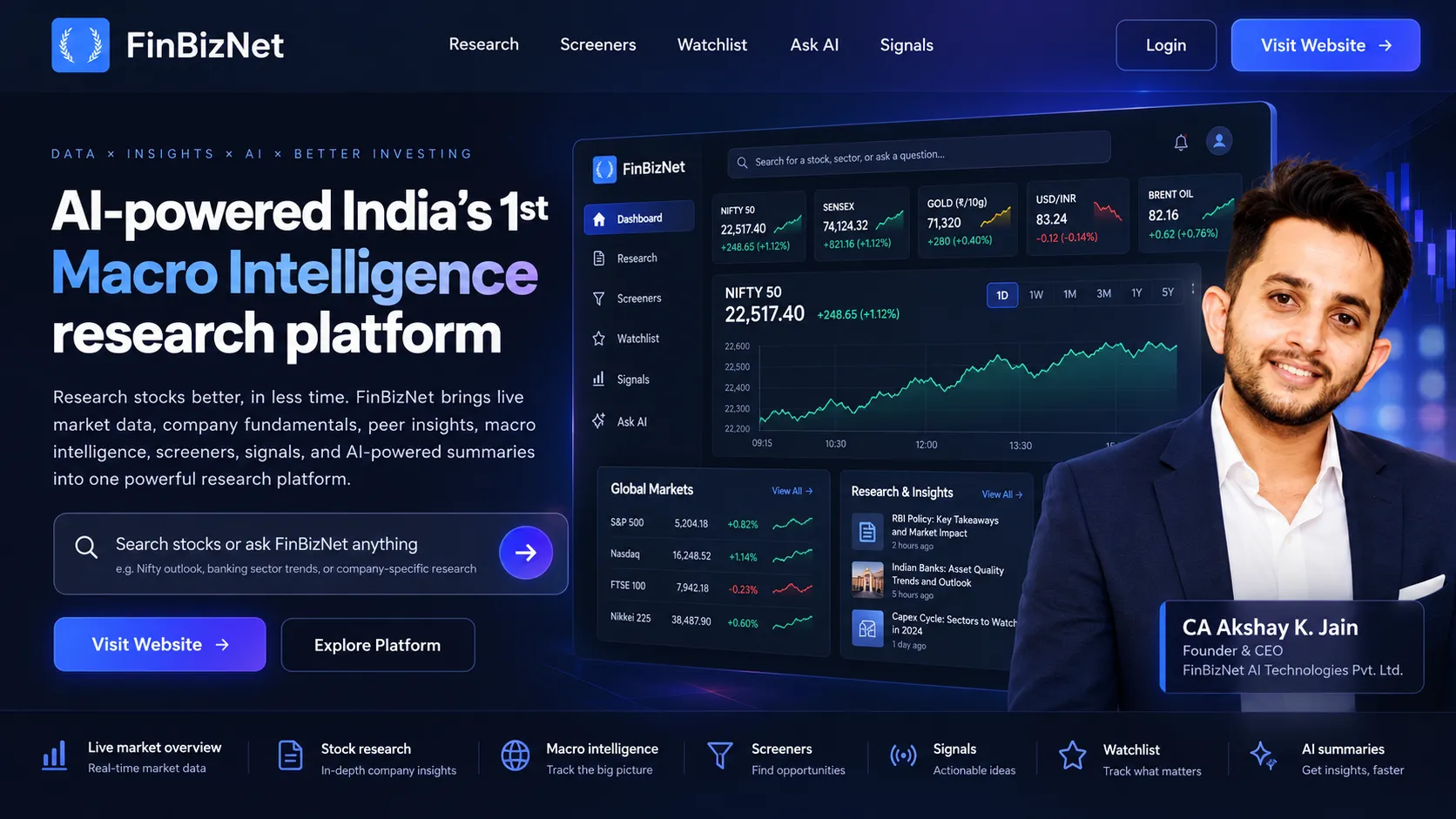
FinBizNet combines AI-powered macroeconomic intelligence, company fundamentals, market research, and institutional-quality insights to help investors, businesses, and finance professionals understand market trends, analyze opportunities, and make better informed investment decisions.
CA Akshay JainFounder & CEO, FinBizNet AI Technologies Pvt. Ltd.
Understand economic trends, sectors, and market movements through AI-powered insights.
Explore company fundamentals, financial analysis, and professional investment research.
Learn how modern investors analyze markets and make research-driven decisions.
Access practical video lessons on balance sheet forecasting, cash flow modelling, assumption sheets, support & resistance, and price action — designed to help finance students build real analyst-level skills.
Built for future Investment Bankers and Equity Research professionals. Our research reports are crafted using real-world valuation frameworks, global market analysis, and AI-integrated financial modeling - preparing students for industry-ready finance careers.
Success Stories
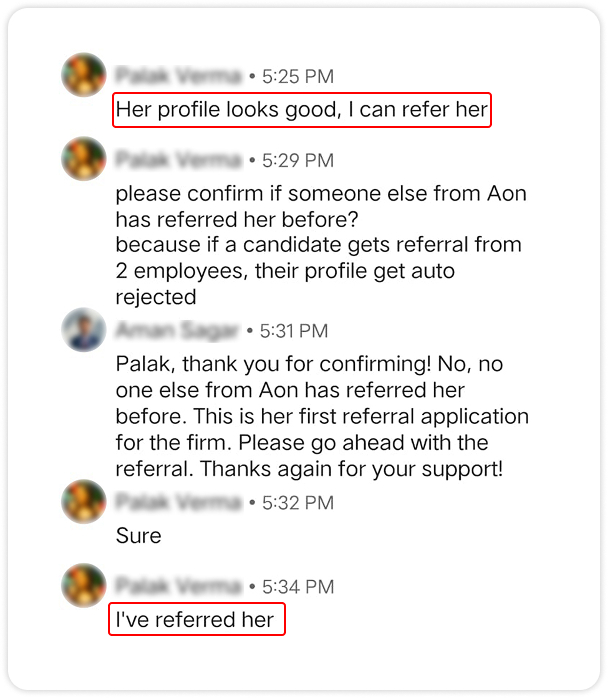
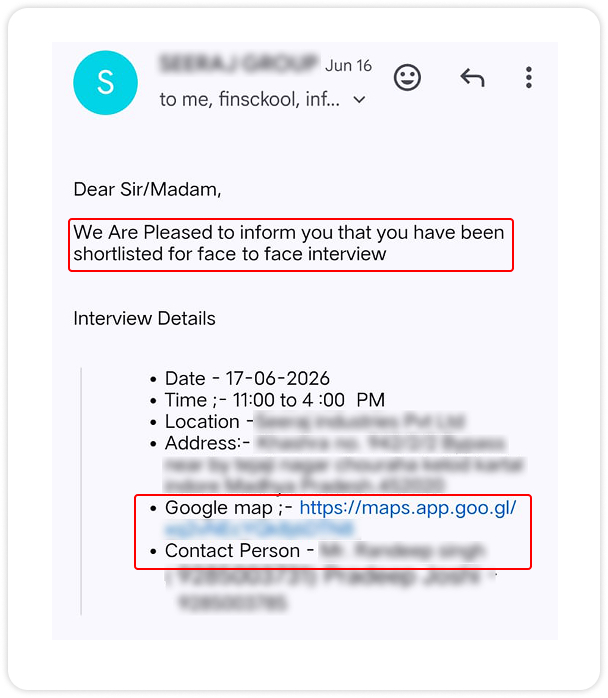
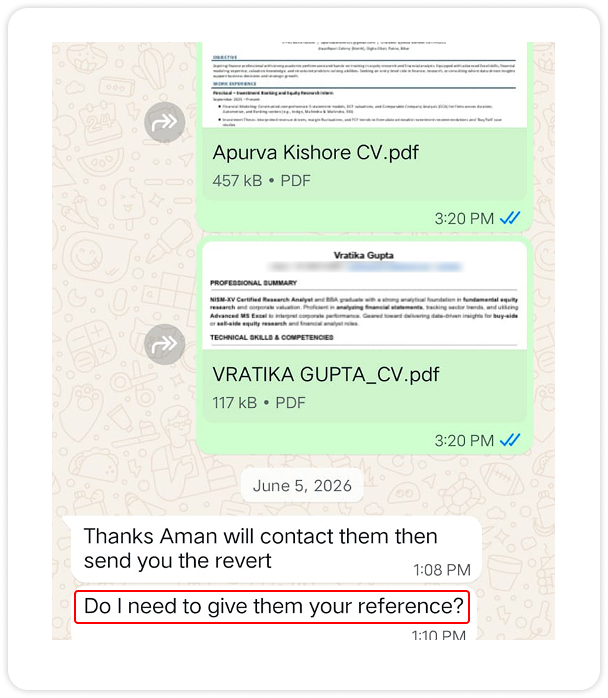
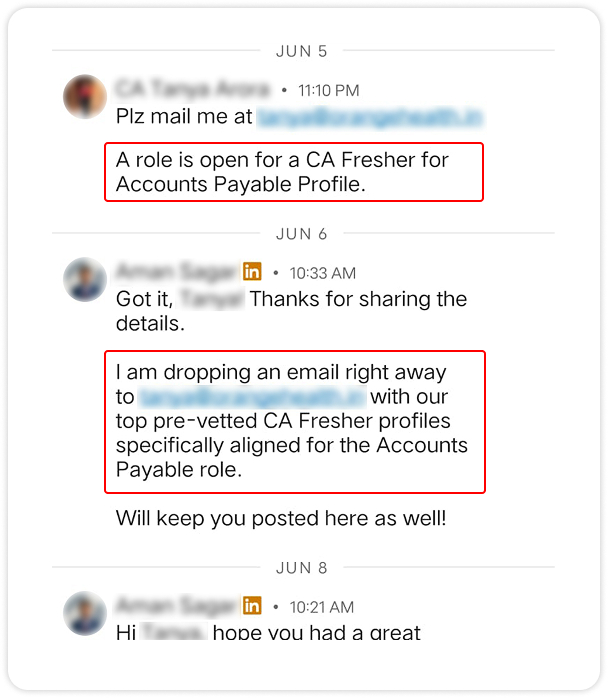
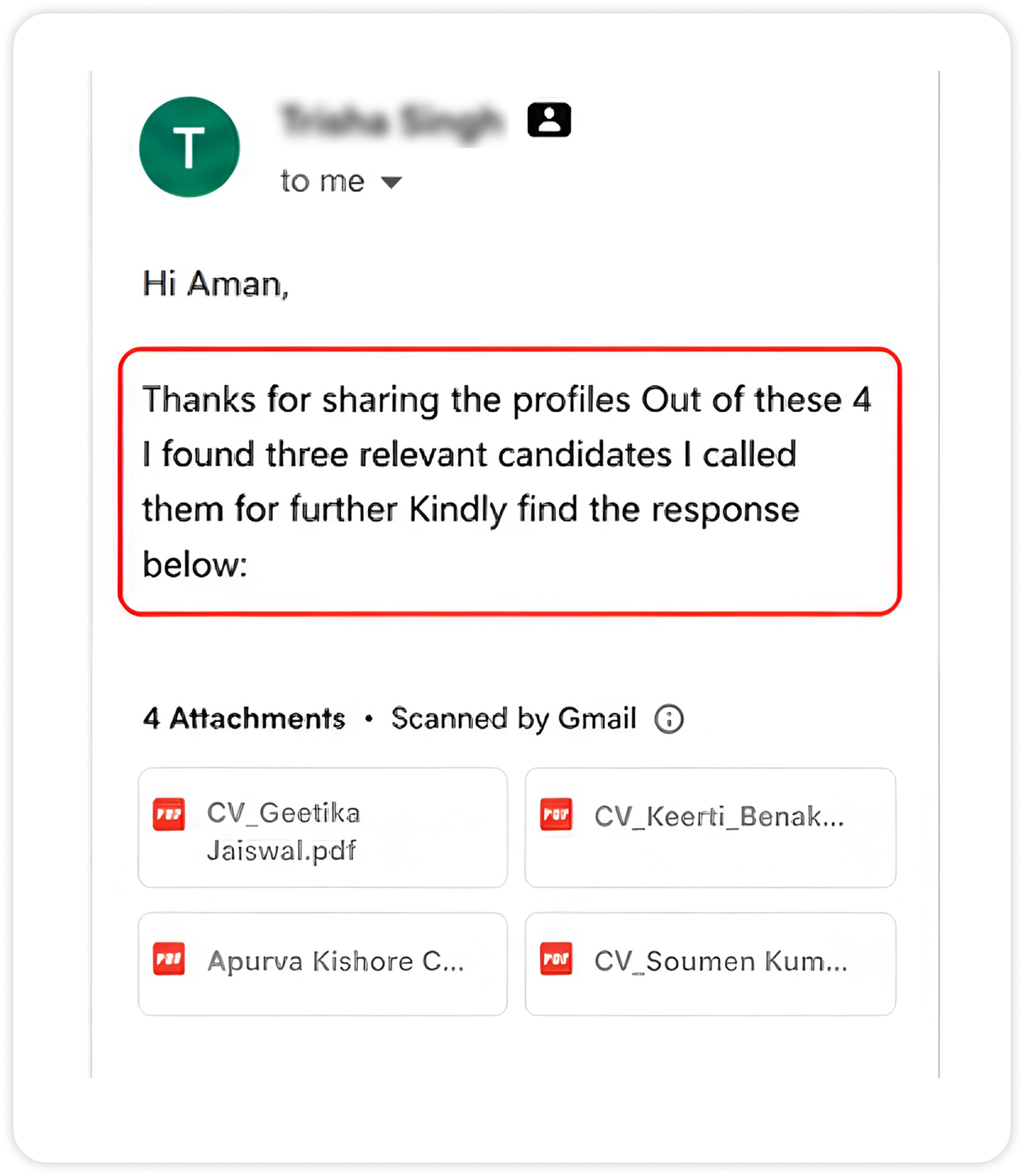
At FinSckool, we help students go beyond classroom learning by connecting them with real recruiters, sharing their profiles for relevant finance opportunities, and supporting them through referrals, shortlisting, interview coordination, and hiring follow-ups to move them closer to their dream finance career.
Watch Our
Watch real stories, finance insights, and AI-powered learning from Finsckool.

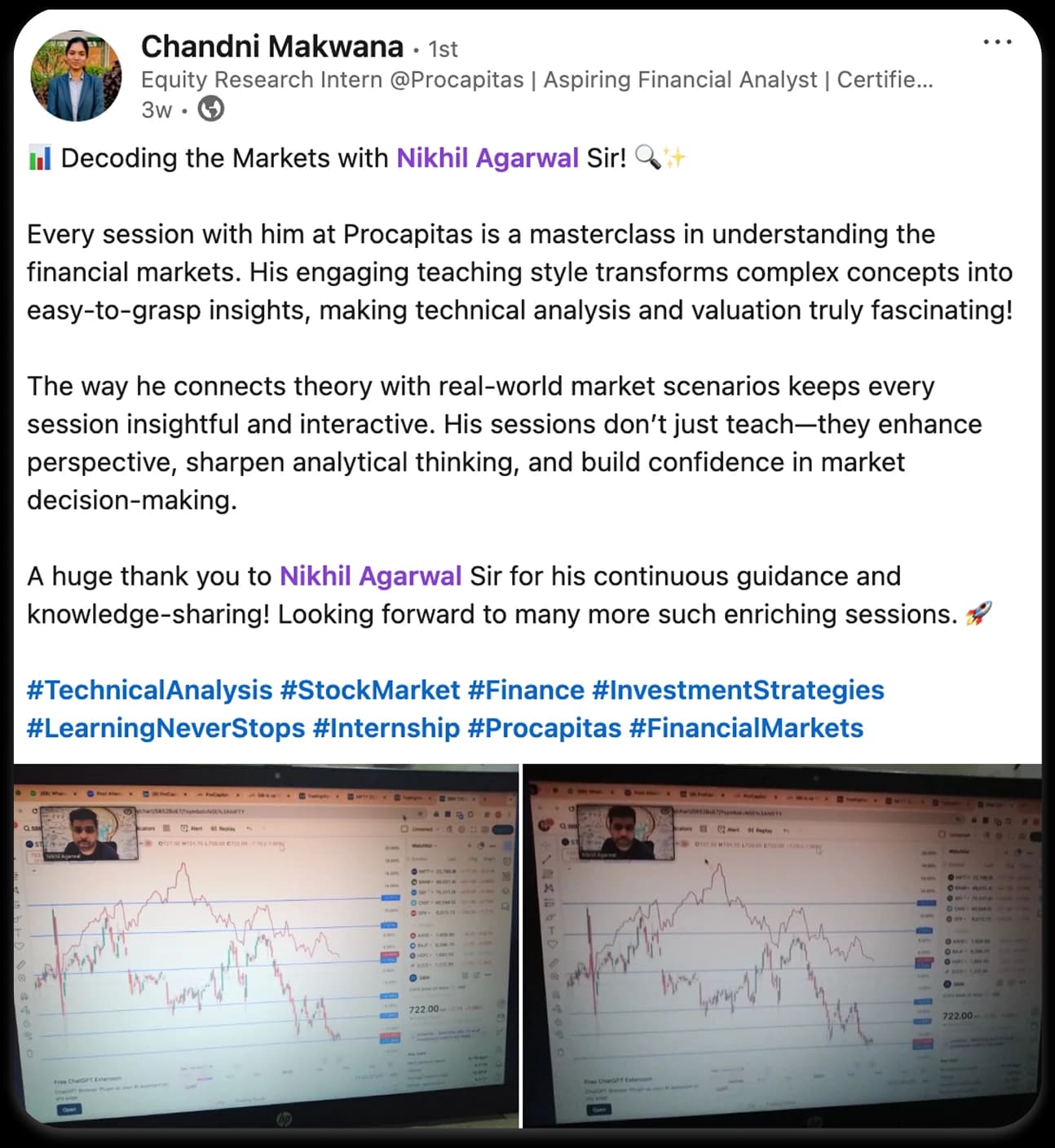
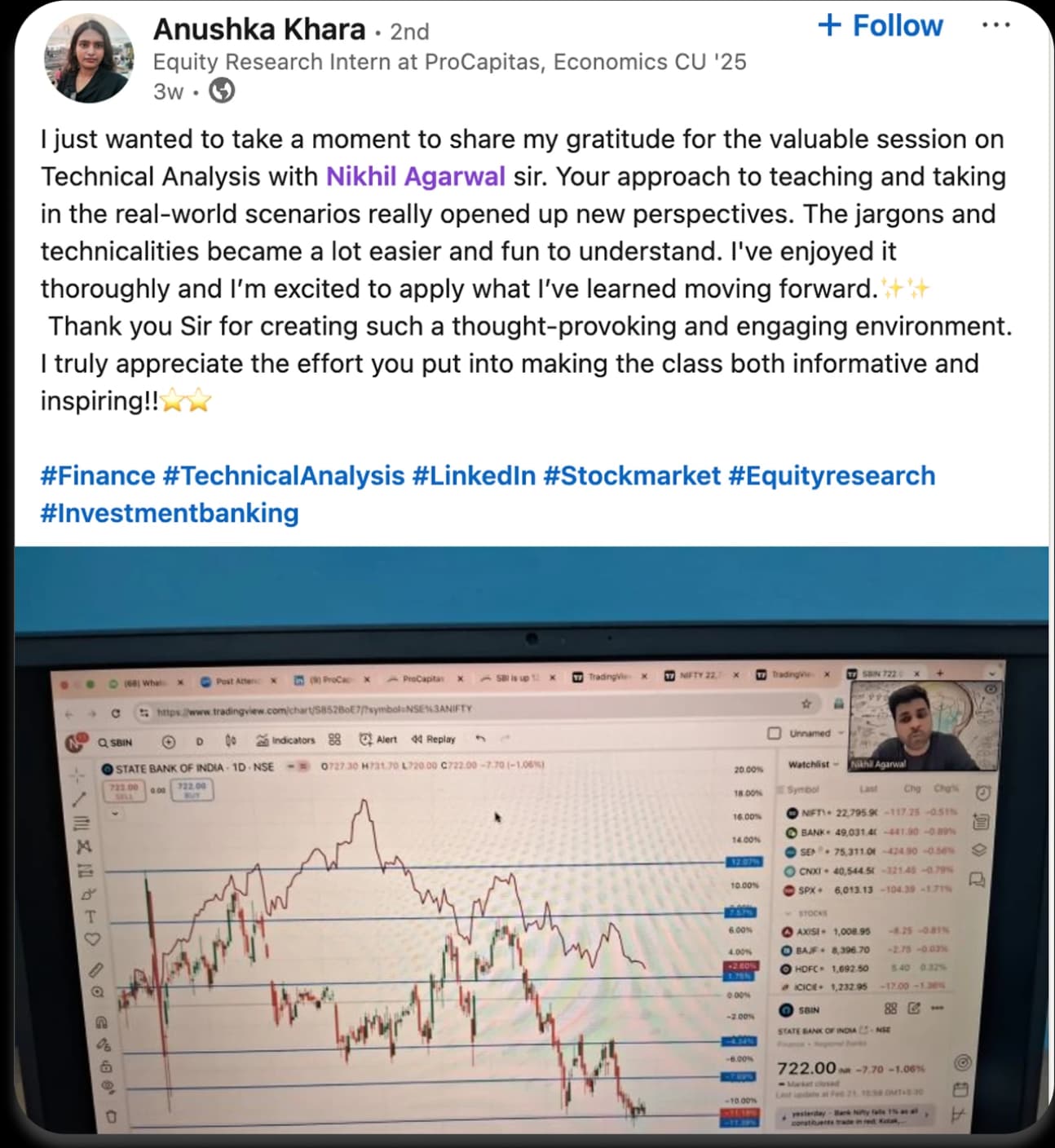
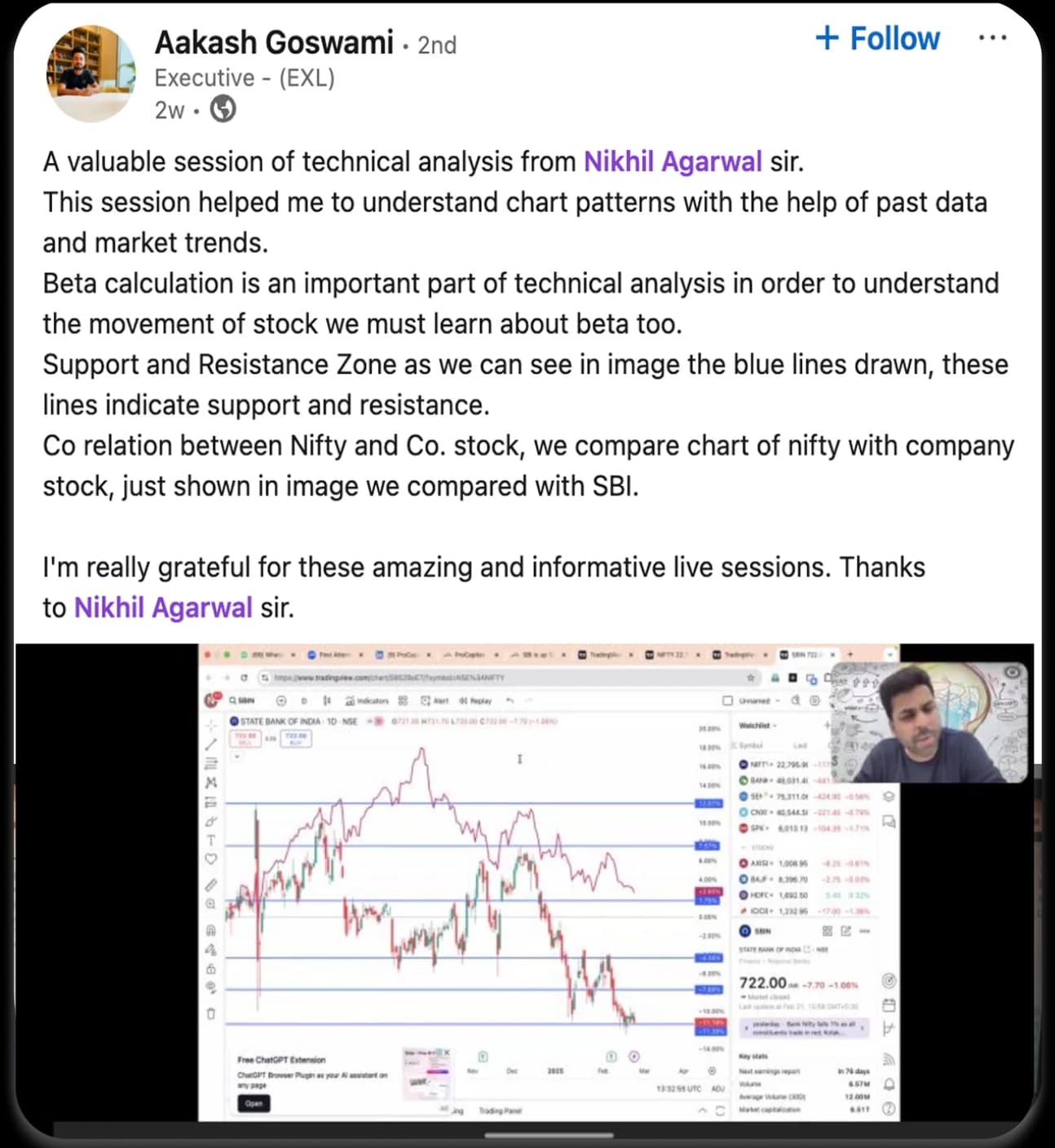
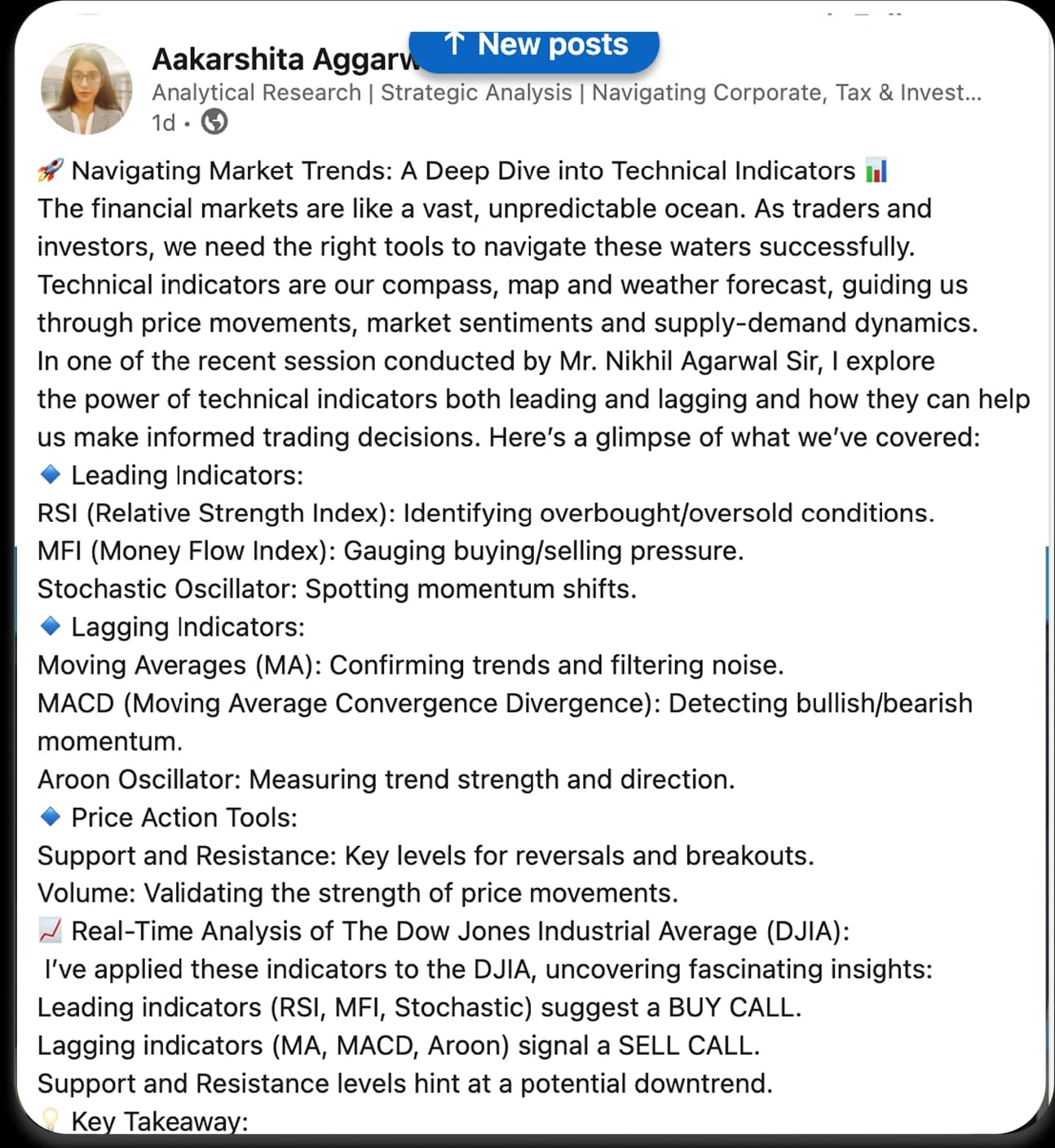
Discover the transformative journey of our students through their testimonials. These stories speak to the impact our courses have had on their professional and personal lives.

Apply Now
Work on live US & Australian valuation projects, build real financial models, and prepare for high-paying finance roles with structured placement support.